Commercial Epoxy Flooring in Queen Creek, AZ
Commercial floors are working surfaces. They may need to withstand customer traffic, carts, equipment, cleaning routines and occasional spills while presenting a professional appearance. Commercial epoxy flooring can provide a durable, cleanable finish on suitable concrete when specified for the business's actual conditions. Epoxy Flooring Queen Creek AZ helps property owners and managers in Queen Creek, Arizona, evaluate options with attention to concrete condition, safety, downtime and maintenance.
Specify a system, not just a color
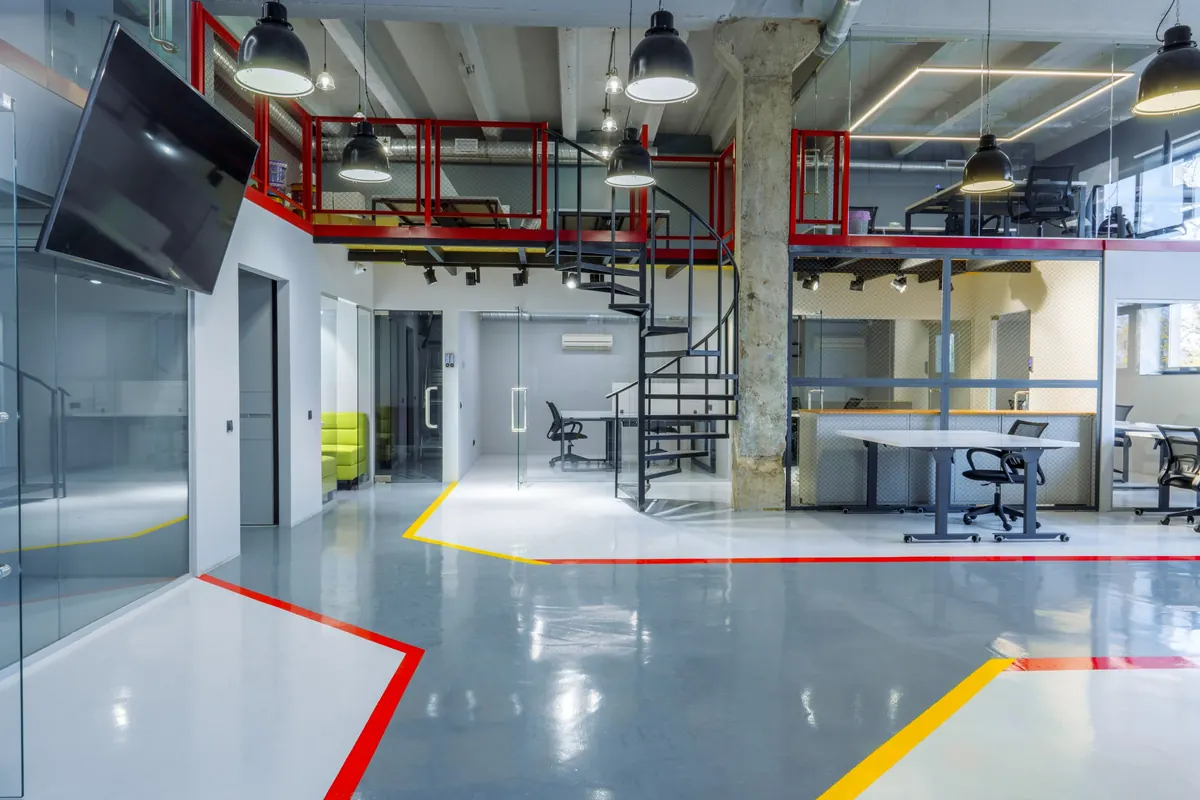
A commercial epoxy floor is usually a multi-step assembly built on prepared concrete. It may include a primer, high-build epoxy, decorative aggregate or flakes and a compatible topcoat. The correct assembly depends on traffic, chemicals, moisture, cleaning equipment and appearance. A boutique has different needs from a service bay or stockroom. Gloss can create glare, while textured finishes may improve grip but require more cleaning.
Applications across commercial properties
Potential applications include retail sales floors, showrooms, offices with exposed concrete, storage rooms, service corridors, staff areas and light production spaces. Each setting should be evaluated individually. An automotive business may need resistance to particular fluids, while a food-service area may have specific cleaning and slip-resistance requirements. Confirm product suitability and any applicable approvals for specialized environments.
Specify a system, not just a color. Traffic, chemicals, cleaning routines and downtime all shape the right assembly.
Performance factors
Foot traffic, carts, pallet jacks, forklifts and point loads stress floors differently. Consider abrasion resistance, impact tolerance, chemical resistance, traction, film thickness, cure time and color stability. The word “epoxy” covers many formulations, and the topcoat can materially affect performance. If sunlight enters through storefront glass or loading doors, UV stability should be considered.
Preparation, joints and moisture
Commercial slabs may have old adhesives, sealers, paint, oils, curing compounds or polished surfaces that affect adhesion. Mechanical preparation creates the required profile and removes weak material. Cracks, spalls and joints should be mapped; active movement and designed joints need appropriate treatment. Moisture vapor can cause failures with low-permeability systems, so testing may be warranted when slab history or conditions raise concern.
Plan downtime around operations
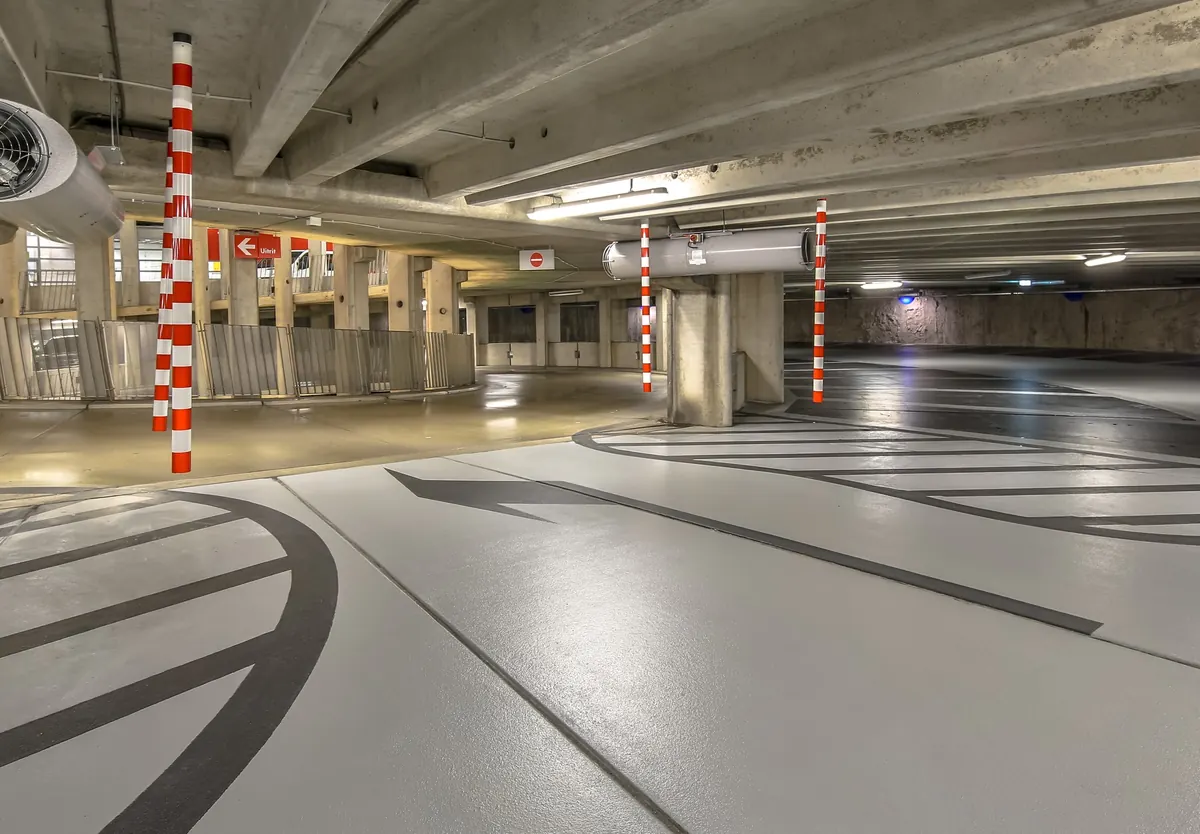
Before work, confirm which areas can close, how inventory or equipment will be moved, access routes and ventilation needs. Some projects can be phased, but transitions and cure windows must be planned. A fast-curing system may reduce downtime, but the exact product, slab condition and environment govern the schedule. Set separate milestones for walking, rolling loads, cleaning and reopening to customers.
Design, safety and handover
Color can support wayfinding and consistent branding, while flakes or quartz add visual variation. Texture, lighting and cleaning routines affect slip risk; floor markings should complement, not replace, formal safety controls. At handover, request product information, cure restrictions, approved cleaners and repair guidance. The manager should know how to handle spills and report damage.
Choosing a commercial contractor
Ask about similar applications, preparation methods, dust management, moisture evaluation, joint treatment and operational planning. Confirm repairs, edge details, traction options, topcoat and phased or after-hours work are included. A written scope should identify areas, exclusions and assumptions. A low bid may omit important preparation or protection steps, so compare complete assemblies rather than price alone.
Queen Creek commercial needs
Queen Creek's commercial areas include retail, dining, mixed-use and business development. Each property has its own slab, tenant requirements and operating schedule. Arizona heat can affect application conditions, and sunlight through storefronts can affect color stability. Confirm service availability for nearby southeast Valley communities and coordinate building rules, tenant access and any approvals relevant to the project.
Commercial Epoxy FAQ
Quick answers about commercial epoxy in Queen Creek.
No. Suitability depends on traffic, chemicals, moisture, cleaning and any industry-specific needs.
Phasing may be possible if access and cure requirements can be managed safely.
Discuss fast-curing products, phased areas and realistic milestones.
Only a system specified for the equipment and loads should be considered.
Many systems offer solid colors, flakes or other finishes.
Texture depends on wetness, contaminants, footwear and cleaning.
Repairs and moisture concerns need evaluation first.
Remove grit, use approved cleaners and clean spills promptly.
You might also consider
Request a commercial consultation
Contact Epoxy Flooring Queen Creek AZ to discuss commercial epoxy flooring in Queen Creek, AZ. Share the business type, floor area, operating schedule, traffic and chemical exposures. A site evaluation can clarify preparation, repair needs and a realistic installation plan.