Polyaspartic Floor Coatings in Queen Creek, AZ
Polyaspartic coatings are formulated for controllable application and, in many cases, rapid cure and good color stability under ultraviolet exposure. They are often used as clear topcoats in decorative flake systems, and some products can serve as pigmented coats. Epoxy Flooring Queen Creek AZ helps property owners in Queen Creek, Arizona, understand where these coatings may fit and why preparation remains essential.
What is polyaspartic?
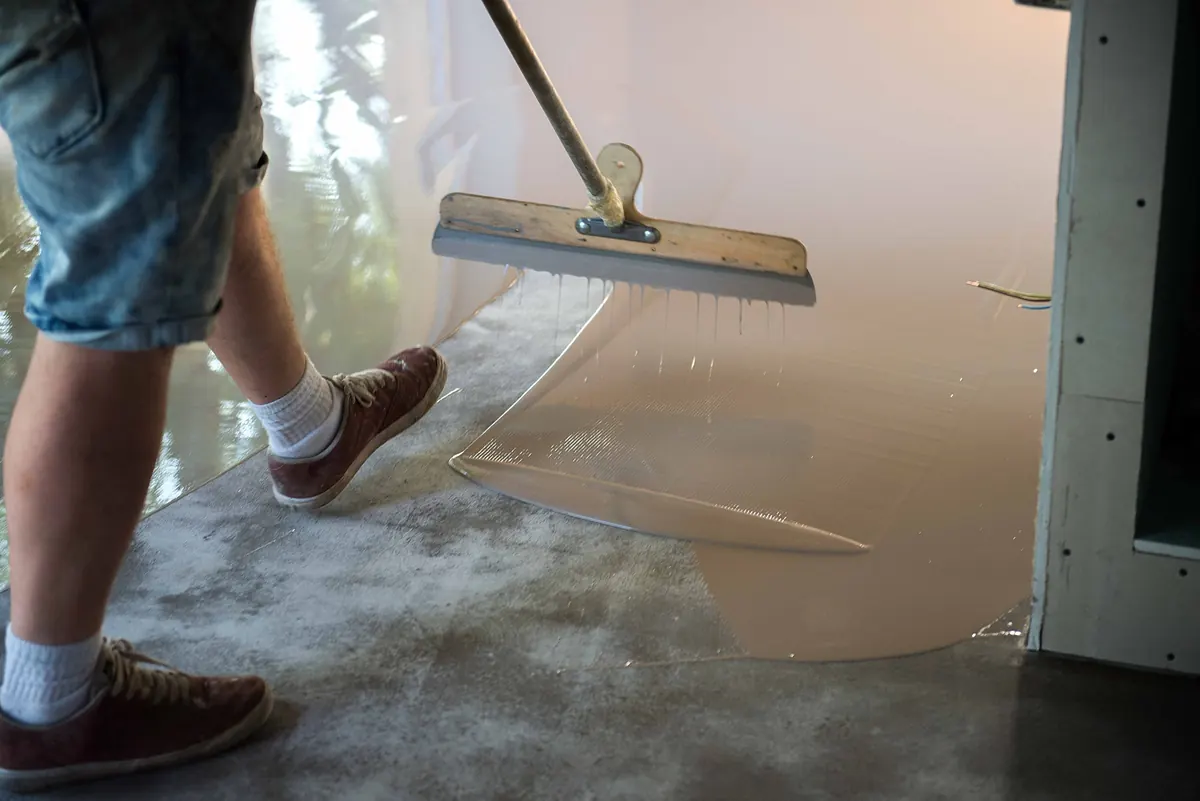
Polyaspartic coatings belong to a broader polyurea chemistry family. Formulations differ in working time, viscosity, film build and cure. The term alone does not specify a floor's performance. Polyaspartic is frequently used as a clear protective layer over epoxy or polyurea basecoats and decorative flakes; some products can also be pigmented. A complete specification should identify the exact products and their intended roles.
Advantages and trade-offs
Fast cure can reduce downtime compared with some traditional epoxy systems. Many aliphatic formulations provide UV stability, useful where sunlight could discolor a less stable coating. However, short working time demands careful mixing, spreading and recoat timing. Fast cure is not automatically best for every floor, especially where extensive repairs or complex detailing require a longer working window.
Fast cure is useful, but it isn’t automatically best. Ask for separate milestones for foot traffic, vehicles and full use.
Applications and comparisons
Garage floors are common applications, particularly as clear topcoats over decorative flakes. Some commercial and utility spaces may also be candidates when the product matches traffic and chemical exposure. Epoxy often provides build and design flexibility; polyurea may offer flexibility and fast cure; polyaspartic is often selected for UV stability. Many systems combine chemistries for different functions.
Preparation and environmental limits
Inspect for oil, old paint or sealer, weak concrete, cracks, joints and moisture. Mechanical preparation is usually needed to create a suitable profile. Moisture vapor transmission can affect low-permeability coatings, so testing may be appropriate when conditions warrant it. Follow product limits for concrete temperature, air temperature, humidity, moisture, mixing and recoat time. In Arizona, concrete in direct sun may be hotter than the air.
Installation and return to service
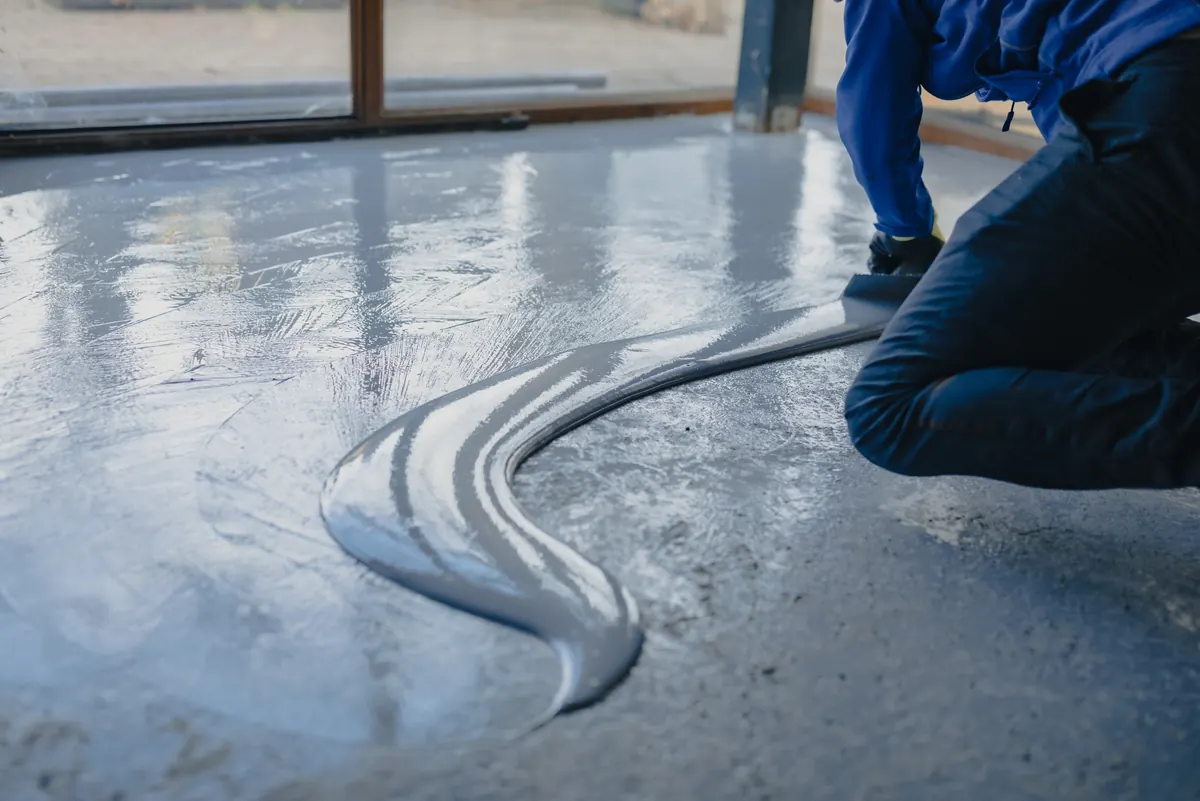
A typical project includes inspection, repairs, mechanical preparation, basecoat where required, decorative broadcast if selected and application of the polyaspartic layer. Product instructions determine the sequence. Ask for separate milestones for foot traffic, vehicles, heavy equipment and cleaning. A surface may feel dry before it is ready for full use. Protect it from dust, water and unauthorized traffic during cure.
Maintenance and contractor selection
Sweep grit, clean with approved mild products and wipe spills promptly. Avoid unapproved solvents and abrasives. Inspect traffic zones and exposed areas; compatible recoating may be possible after proper preparation. Ask which product is used, its intended role, UV and chemical performance, preparation method, repair scope, traction options and cure schedule. Compare the complete system rather than the resin name alone.
Queen Creek conditions
Bright sunlight makes UV stability relevant near garage thresholds and exposed concrete. Hot slab temperatures can affect working time, and monsoon weather may introduce moisture or sudden changes. The installer should follow product limits and confirm outdoor suitability separately. The slab, exposure and traffic determine whether a polyaspartic topcoat or another assembly fits.
Polyaspartic Floor FAQ
Quick answers about polyaspartic floor in Queen Creek.
Not always; each has different strengths.
Follow the exact product's written vehicle-return schedule.
Many aliphatic formulations are UV stable, but confirm the product.
Some products have specific roles; a full system may require other layers.
If specified for the traffic and chemicals.
Usually mechanical preparation is required.
Only within manufacturer limits.
Often, after evaluating compatibility and preparation.
You might also consider
Discuss polyaspartic coatings
Contact Epoxy Flooring Queen Creek AZ to discuss polyaspartic floor coatings in Queen Creek, AZ. Describe the surface, sunlight exposure, traffic and desired return-to-service schedule so the system can be evaluated.